Three delighters

When the Kano Model was all the rage, the UX team I was on at the time talked a lot about analyzing the products and processes and products we were working on in terms of whether existing elements were dissatisfiers, satisficers, or delighters. The gist was that you wanted to lower the number of things that piss your users off (duh), keep the things that they considered  table stakes, and start delivering things that delighted the users and made them want to come back.

Thirty one days ago I took my husband to the hospital for abdominal pain; thirty one days later he’s still in the hospital, being evaluated for a liver transplant due to CF liver disease, and neither one of us has seen our three dogs for more than 18 hours since.

Our dogs are boarded at our local Petsmart, in the Pet Hotel. They’ve been going to this location since they were puppies. They  know the staff. They know the routine. They get great care there. Even if the doggie equivalent of Disney World was around the block from our Petsmart and half the price, I’d probably still be bringing my “kids” to this location.

That’s a little bit more than table stakes — most places can’t say that they’re able to keep staff for as long as our location. In many ways they’re like family.

But also, we’ve known the staff at this store now for 16 years, so in some real ways the low turnover and high care my dogs get is my expectation — just as the Kano Model predicts, our delighters eventually become our satisficers because they’re the every day.

So when I dropped the furballs off almost a month ago and the staff offered me the photo packages, I was like yeah, you know what? some pictures of the dogs might be nice.

And now, every day, I get 1-3 pictures of each dog playing during activity camp, and 1-3 pictures of the dogs at “bedtime”, reading a book on a comfy blanket.

It’s not a delighter exactly. It’s a “keeping me alive” level of rebalancing. There will be an end to this journey one way or another.  We will get through it. I will see and hug and love my dogs again.

I don’t know what the photo feature is costing Petsmart. I don’t know how difficult it is to implement. I do know that it’s raised my “brand loyalty” on this location even higher than it was before, and that’s saying something.

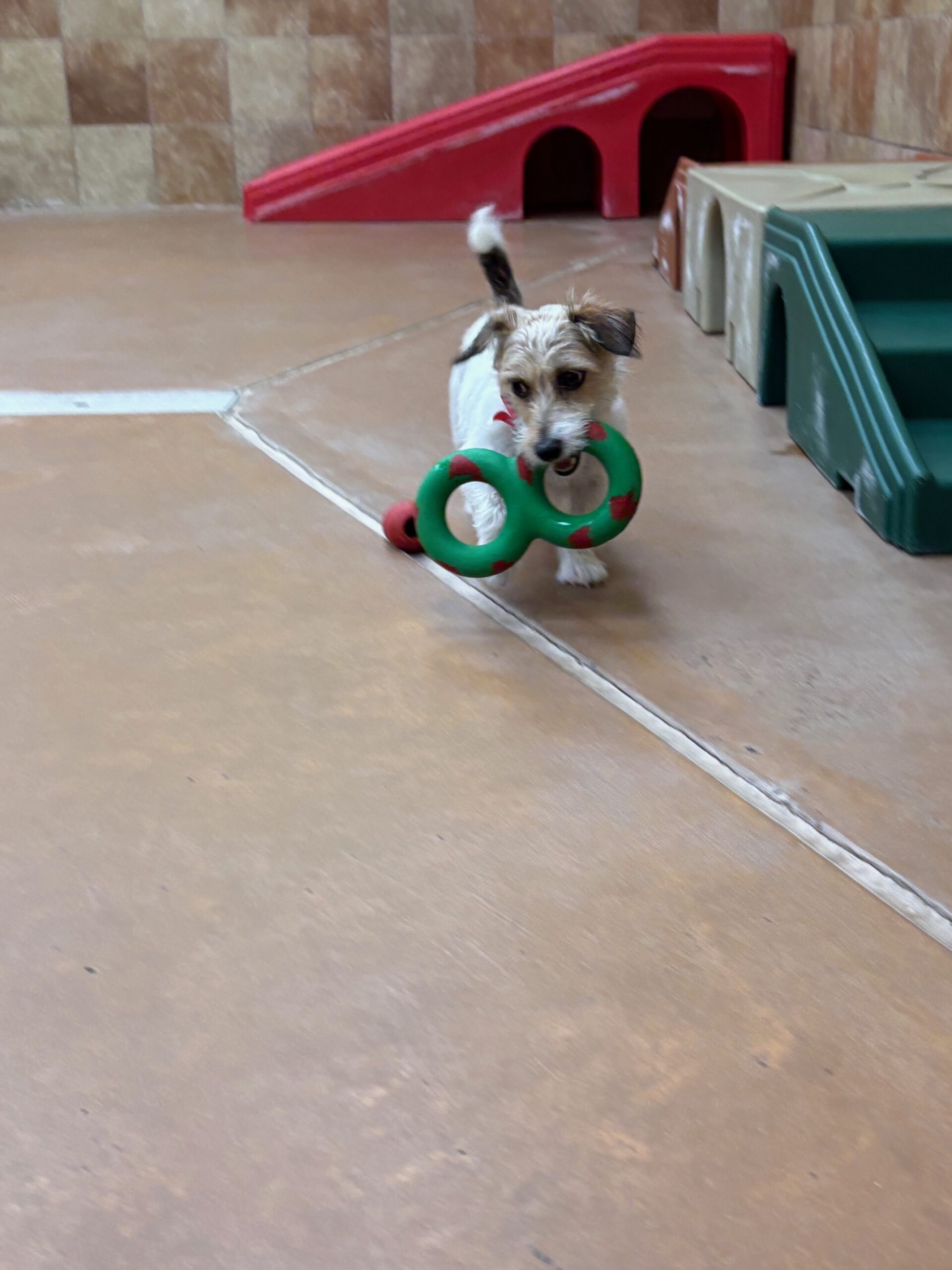
So thank you, Petsmart, and for the rest of you, here are my three delighters this evening playing during activity time.  They may not delight you as much as they delight me, but that’s ok. Sometimes a feature is only meant for the person it serves.

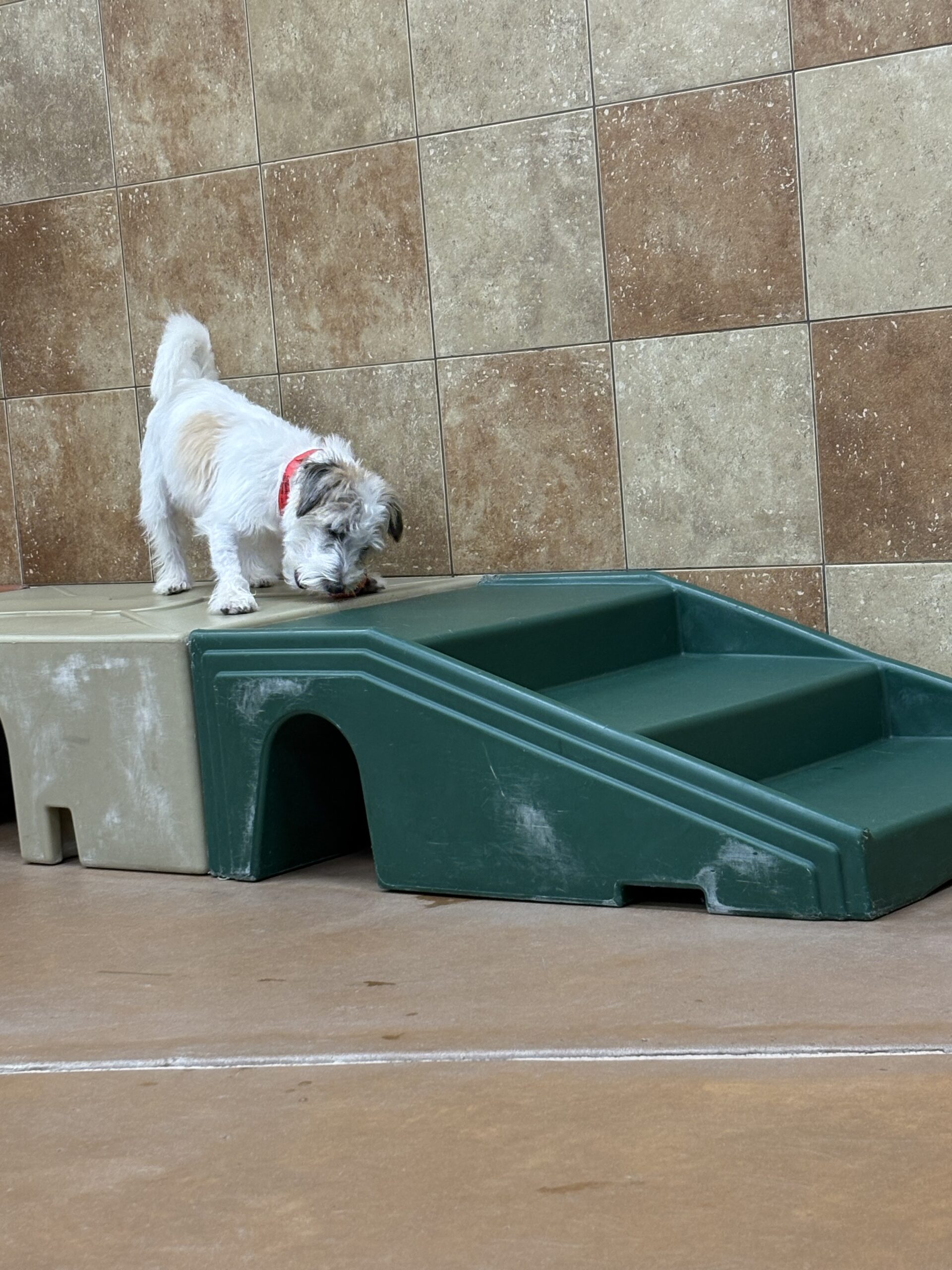
A brown and white jack russel gnawing on an orange ball that the photographer is trying to take away A white and tan jack russel standing on a brown riser, gnawing on a toy, close to a green staircase up to the riser. a tan and white jack russel carrying a rubber toy shaped like the number eight and colored like a christmas

Is UX Dead?

Is UX Dead?

Like, really dead this time?

Not “we’re overrun by bootcamp grads” dead?

Not “we’re being turned into UI engineers” dead?

Not “no one is doing research” dead?

Not “we’re not winning the hearts and minds” dead?

Not “no one respects their design elders” dead?

Not “we are too wrapped up trying to prove business value to deliver use value” dead?

Not “no one is hiring REAL designers” dead?

Like, really, actually, for sure, this is the end of the era, everyone left in “UX” is just cleaning up and shutting things down, time to find another career, you don’t have to go but you can’t stay here, D-E-A-D dead?


We’ve been calling the death of UX for a couple decades now. At least, someone in a blog post or a social media thread is, probably for da clickz.

This time, it’s AI, or really, the facile and shortsighted fad to make everything “AI.” Doesn’t matter that actual users hate getting deluged in AI features they never asked for, it’s in the product because… shareholder value?

And we know this AI bubble is going to burst and burst badly soon. When Microsoft stops reporting AI revenue, and overall we’ve seen nearly a trillion dollars of venture capital get burned through in the process, with zero sign of any real profit for anyone not named Nvidia… this bubble can’t last much longer.

Meanwhile, these companies are firing product design and research people left and right. First it was the middle managers, now it’s the researchers. All while the collapse in government outlays (thanks, DOGE) gut spending and jobs for everyone from universities to clean energy to healthcare.

Now, there are two things we know to be true:
1. The problems that user experience design solve haven’t gone away, and
2. AI as it currently exists cannot replace user experience design.

But we also know one other thing:
Businesses don’t care, at least until they have to care.

At the top levels of business, people are widgets. They’re resources that ingest money and produce outputs. Replacing them with AI makes perfect sense — more outputs, less health care costs! At least, until they discover the real costs.

Generative AI is like caulk. It fills a hole (we need content!), but it’s bland and lifeless. It doesn’t matter what caulk tastes like — no one is eating it (well, not yet, give us a few years of recession and we’ll see). But content, well, that has taste. It has a voice and tone, a point of view, clear outcomes it’s looking to deliver on.

During this job search I used AI to help me generate cover letters. I hate writing cover letters. When I read them, though, they don’t feel like me. Yes, they’re my cover letters, so the words are right. But there’s no life, no soul there. Even when I try to pep them up with my own voice, they still feel flavorless.

Imagine there’s 200 applicants for the position and everyone created a cover letter with AI. 200 letters of fungible, nearly identical chunks of copy. All that power and water wasted on a constant refrain of filler.

It’s all caulk and not one bit of value. And caulk is what design is supposed to not be.

But the business world wants caulk. They want outputs. The outcomes aren’t important (until they are.)

UX can’t survive in this world. Like public health, it isn’t a thing you care about until you don’t have it at the most crucial moments. But we’re still trying to fight this last war where we needed to prove value against decades of slop. Now they like the slop.


You can embrace AI as a designer, or refuse it. (And let’s be honest, you’re not getting a job right now if you don’t embrace it.) But no matter what, you’re dealing with a large language model that is going to do the most average, most banal response based on how the tokens fall. And average and banal is good enough for the business. In a business world like this, where is the room for a user experience that is not average and banal? Where’s the room for tools to help users accomplish their tasks easier. Where is (and I really hate saying this word) the delight?

Maybe UX is dead. But if so, AI didn’t kill it. The endless, constant grind to prove design’s value in a hyper-capitalist system did. A 55% accurate creator of mediocrity doesn’t ask for raises, doesn’t need health insurance, and doesn’t talk back. And given the choice of “good enough” banality and the bottom line hit of having humans that push and strive for “better”, they’ll take “good enough.”